(Deutsch weiter unten)
2 years. 10 expeditions. 10 all-women teams. One mission: Understanding the impacts of microplastics on oceans and remote ecosystems.
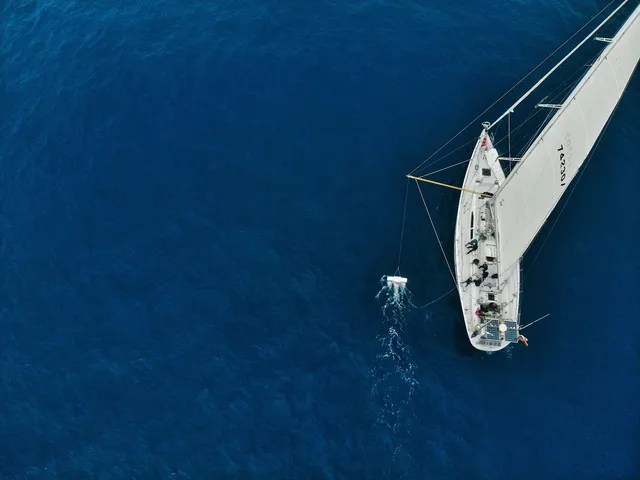
eXXpedition is a series of all-women expeditions tackling the ocean plastic crisis. In 2026, eXXpedition set sail on a new mission to deliver the first global study mapping ocean plastic pollution back to its sources on land. The global expedition consists of 10 legs and 10 teams, sailing across the South Pacific, the Arctic, Antarctica, Caribbean and North Pacific throughout 2026 and 2027.
I’m incredibly lucky to be given the opportunity to take part in one of these expeditions, sailing to Antarctica in February 2027. Antarctica is the only continent where humans have never permanently lived. And yet, it is rapidly changing due to humanity's profound impacts.
Mapping the scale and source of ocean plastics
Led by the University of Georgia’s Circularity Informatics Lab, we will be taking samples from the water, air and ice to identify plastics particles. The goal is to understand what types of plastics are prevalent, where these materials came from, why they got to such a remote place, and how they impact this precious ecosystem.
The research is designed to help fill gaps in our understanding of the scale of plastics pollution in the oceans, and putting this data in the hands of those who can implement the most impactful solutions. The goal for eXXpedition's all-women and interdisciplinary crews is not just to contribute to groundbreaking scientific research, but also to bring back stories that inspire change, and encourage women in science, leadership and adventure.
The route
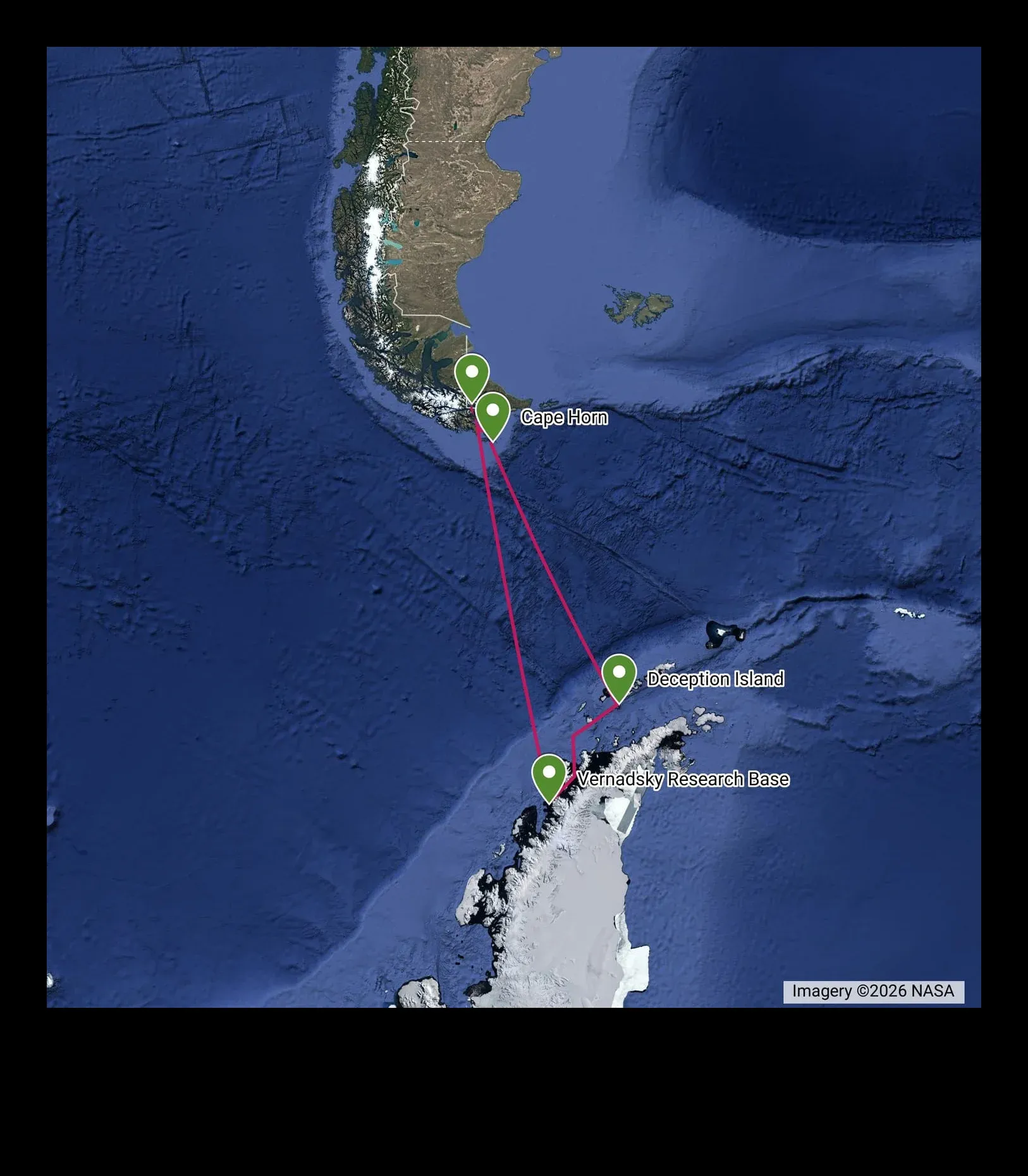
As part of the Antarctica expedition crew, I will set sail from Ushuaia, the southern most town of Argentina. Together with 9 other women and 3 skippers, we will sail through the Beagle channel to Chile's Cape Horn, onward through the mighty Drake Passage to the South Shetland Islands. Once we arrive at the Antarctic peninsula, we will head further south, with the exact route being dependent on the weather. At around 65 degrees south, we will turn around and head back on a similar route.
Why does it matter?
Despite increased awareness, plastics pollution continues to increase globally. An estimated 171 trillion plastic particles are now floating in the world’s ocean - up from around 5 trillion in 2014. In 2025, the UN's efforts to sign a Global Plastics Treaty stalled, as nations could not agree on binding global limits on plastic production or toxic additives. In recent years, companies have scaled back their commitments and investments on addressing pollution, chemicals, plastics and sustainability more generally.
Providing an evidence base that points to critical levers and hotspots will help to drive action where it matters. All data and results from the mission will be made freely accessible, for anyone to use.
Antarktis: Die Mission
2 Jahre. 10 Expeditionen. 10 reine Frauenteams. Eine Mission: Die Auswirkungen von Mikroplastik auf Ozeane und abgelegene Ökosysteme zu verstehen.
eXXpedition ist eine Reihe von Expeditionen mit rein weiblicher Besetzung, die sich gegen die Plastikkrise in den Ozeanen einsetzen. Im Jahr 2026 stach eXXpedition zu einer neuen Mission in See, um die erste globale Studie zu liefern, die die Plastikverschmutzung des Ozeans bis zu ihren Quellen an Land zurückverfolgt. Die weltweite Expedition besteht aus 10 Etappen und 10 Teams, die im Laufe der Jahre 2026 und 2027 durch den Südostpazifik, die Arktis, die Antarktis, die Karibik und den Nordpazifik segeln.
Ich schätze mich sehr glücklich, die Gelegenheit zu erhalten, an einer dieser Expeditionen teilzunehmen und im Februar 2027 in die Antarktis zu segeln. Die Antarktis ist der einzige Kontinent, auf dem Menschen nie dauerhaft gelebt haben. Und dennoch verändert sie sich durch die tiefgreifenden Auswirkungen menschlicher Aktivität rasant.
Das Ausmaß der Plastikverschmutzung in den Ozeanen kartographieren
Unter der Leitung des Circularity Informatics Lab der University of Georgia werden wir Proben aus Wasser, Luft und Eis entnehmen, um Plastikpartikel zu identifizieren. Ziel ist es zu verstehen, welche Arten von Plastik vorherrschen, woher diese Materialien stammen, wie sie an einen Ort gelangt sind, der nie dauerhaft von Menschen bewohnt wurde, und wie sie dieses wertvolle Ökosystem beeinflussen.
Die Forschung soll dazu beitragen, Wissenslücken über das Ausmaß der Plastikverschmutzung in den Ozeanen zu schließen und diese Daten denjenigen zur Verfügung zu stellen, die die wirksamsten Lösungen umsetzen können. Das Ziel der interdisziplinären eXXpedition-Crews ist es nicht nur, einen Beitrag zu bahnbrechender wissenschaftlicher Forschung zu leisten, sondern auch Geschichten zu erzählen, die zu Veränderungen anregen und Frauen in Wissenschaft, Führungspositionen und Erkundungsreisen bestärken.
Die Route
Als Teil der Crew der Antarktis-Expedition werde ich von Ushuaia aus in See stechen, der südlichsten Stadt Argentiniens. Zusammen mit 9 anderen Frauen und 3 Skippern werden wir durch den Beagle-Kanal zu Chiles Kap Horn segeln und weiter durch die gefürchtete Drake-Passage zu den Südlichen Shetlandinseln. Sobald wir an der Antarktischen Halbinsel ankommen, werden wir weiter nach Süden fahren, wobei die genaue Route vom Wetter abhängt. Bei etwa 65 Grad Süd werden wir umkehren und auf einer ähnlichen Route zurücksegeln.
Warum ist das wichtig?
Trotz eines geschärften Bewusstseins nimmt die Plastikverschmutzung weltweit weiter zu. Geschätzte 171 Billionen Plastikpartikel treiben mittlerweile in den Ozeanen der Welt – gegenüber etwa 5 Billionen im Jahr 2014. Im Jahr 2025 kamen die Bemühungen der UN um ein globales Plastikabkommen zum Stillstand, da sich die Nationen nicht auf verbindliche globale Obergrenzen für die Plastikproduktion oder toxische Zusatzstoffe einigen konnten. In den letzten Jahren haben Unternehmen ihre Zusagen und Investitionen zur Bekämpfung von Verschmutzung, Chemikalien, Plastik und Nachhaltigkeit im Allgemeinen zurückgefahren.
Das Bereitstellen einer Datengrundlage, die auf entscheidende Stellschrauben und Hotspots hinweist, wird dazu beitragen, Maßnahmen dort voranzutreiben, wo sie am wichtigsten sind. Alle Daten und Ergebnisse der Mission werden frei zugänglich gemacht, damit jeder sie nutzen kann.